The Influence of History on Jamaican Food

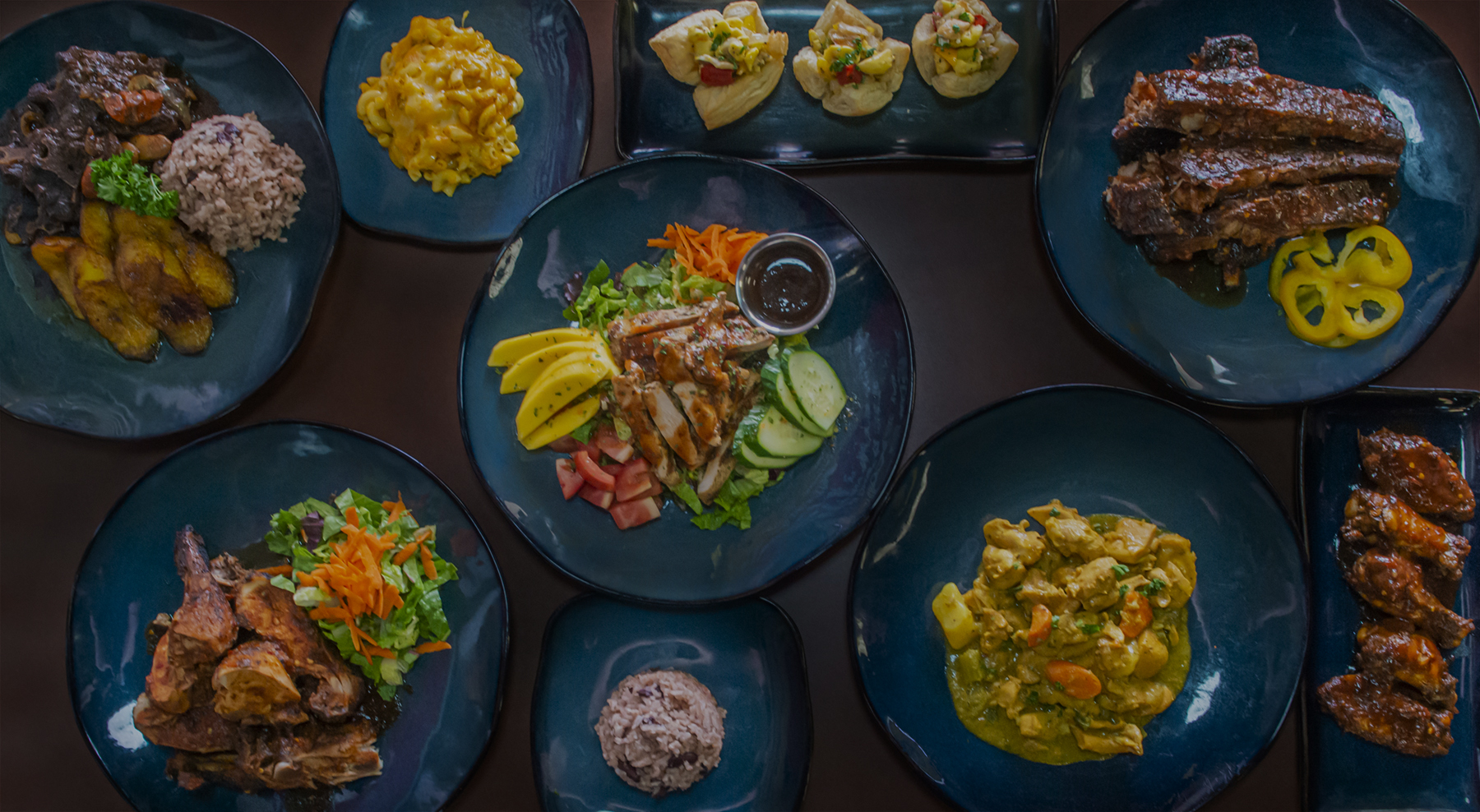
Jamaican food carries history in a way that few cuisines do. You can taste conquest, forced migration, survival, adaptation, and pride in a single meal. A plate of ackee and saltfish, a bowl of mannish water, a piece of bammy beside escovitch fish, or the smoke of jerk rising from a roadside pan all tell part of the island’s story. The ingredients, the methods, even the timing of meals reflect centuries of cultural contact and struggle.
People often describe Jamaican food as bold, spicy, and comforting, which is true enough, but those labels barely touch its depth. What makes the cuisine distinctive is not only flavor. It is the way the island absorbed influences from Indigenous communities, Spanish colonizers, British rule, West and Central African foodways, Indian indentured laborers, Chinese migrants, Middle Eastern traders, and later global tourism and migration. None of those influences arrived on neutral terms. Some came through exchange, many through violence, and nearly all were reshaped by local conditions.
That matters because Jamaican cooking was never assembled in a formal culinary laboratory. It developed in kitchens where fuel was scarce, in plantations where people made meals from allotted scraps and provision grounds, in fishing villages that relied on weather and season, and in urban markets where cooks learned to turn whatever was available into something memorable. The result is a cuisine with tremendous personality and discipline. It is resourceful without feeling deprived, and celebratory without losing sight of its hard origins.
Before empire, the island already had a food culture
Long before European rule, the Taíno people had established ways of cooking and eating that still echo through the island. Their imprint is easiest to spot in ingredients and techniques that survived the colonial era. Cassava is a prime example. Bammy, the flat cassava bread still eaten with fish, descends directly from Indigenous preparation methods. That survival is significant because cassava requires knowledge. It is not simply picked and cooked. Bitter cassava contains toxic compounds and must be grated, pressed, and dried properly. A food that technical does not remain by accident. It remains because a people taught others how to handle it, and because the result was practical, durable, and satisfying.
Barbecue itself has Indigenous roots in the Caribbean. The Taíno used raised wooden frameworks for slow cooking meat over fire, a technique that spread widely through colonial contact. Jamaica’s famous jerk is not identical to those early methods, but it belongs to the same broad story of smoke, wood, and patient heat. Pepper, pimento, and marination transformed it, yet the underlying logic of preserving flavor through controlled smoke reaches back further than most people assume.
Even the use of local tubers, maize in earlier periods, and methods of fishing and roasting point to a precolonial food system with its own coherence. Too often, people begin Jamaican food history with slavery or empire. That misses a crucial truth. The island was not an empty stage waiting for cuisine to begin. There was already knowledge rooted in land, water, and season.
The Spanish period left quieter marks, but real ones
The Spanish ruled Jamaica from the late fifteenth century until the English seized the island in 1655. In culinary terms, their legacy can seem less visible than later African or British influence, but some important pieces remained. Livestock introduced under Spanish rule altered the island’s diet over time. Cattle, pigs, goats, and certain fruit trees became part of the evolving food landscape. Citrus, for instance, spread through colonial agriculture and later became woven into marinades, sauces, and drinks.
Perhaps the clearest Spanish connection is escovitch, Jamaica’s adaptation of escabeche. The method of frying fish and covering it in a vinegary dressing with onions and peppers speaks directly to Iberian preservation techniques. In Jamaica, escovitch took on a sharper edge. Scotch bonnet peppers and local vinegar profiles gave it a brightness and heat that feel unmistakably Caribbean. This is a recurring pattern in Jamaican food history. Borrowed structures survive, but the finished dish speaks with a local accent.
The Spanish era also shaped the plantation economy that later expanded under the British. That matters because culinary change does not come only through recipes. It comes through labor systems, land ownership, and what is grown for profit versus sustenance. Food history is always tied to power.
African foodways gave Jamaican cuisine its backbone
If one influence formed the core character of Jamaican food, it was the knowledge carried by enslaved Africans from West and Central Africa. This is where the cuisine’s deepest structure lives, not only in dishes but in instincts. The use of starchy provisions, one-pot cooking, greens, legumes, pepper heat, frying, smoking, pounding, and seasoning in layered ways all bear African continuities.
Callaloo offers a good example. Jamaicans today may use amaranth or taro leaves depending on region and availability, but the broader habit of cooking leafy greens down with aromatics, salt, sometimes coconut milk, and occasionally salted meat sits comfortably within the African diaspora tradition. The same is true for dishes centered on yams, plantains, peas, okra, and stews thickened through slow reduction rather than flour-heavy roux.
Saltfish, now inseparable from ackee, also sits within this history, though its route was shaped by Atlantic trade. Salt cod was imported cheaply to feed enslaved populations across the Caribbean because it was durable and inexpensive by plantation standards. Enslaved cooks did not passively accept such rations. They transformed them. Mixed with ackee, onions, tomatoes, thyme, scallion, and pepper, saltfish moved from imposed commodity to national staple. That is one of the most important patterns in Jamaican food: ingredients associated with hardship were repeatedly remade into dishes of identity and pleasure.
Rice and peas is another case where terminology and history matter. In Jamaica, peas often means beans, commonly red kidney beans or gungo peas. The pairing of rice with legumes, coconut milk, thyme, scallion, and allspice reflects both African cooking logic and local agricultural adaptation. It is practical, filling, and flavorful, but it is also ceremonial. Sunday dinner in many Jamaican homes still revolves around combinations like rice and peas with chicken, pork, or fish. A historical survival becomes a weekly ritual.
Then there is soup. Jamaican soups are not side dishes in the delicate European sense. They are substantial, built to sustain labor and gather families. Red peas soup, chicken foot soup, mannish water, fish tea, and pumpkin soup all reveal a cooking tradition that wastes little and extracts maximum flavor from bones, provisions, herbs, and time. I have always thought the best Jamaican soups show culinary judgment at its highest level. They look humble, but balance matters. Too much yam and the broth turns heavy. Too little thyme and the pot tastes flat. A skilled cook understands texture, timing, and the order in which ingredients should enter the pot.
Survival shaped technique as much as taste
It is impossible to discuss Jamaican food honestly without acknowledging scarcity. Plantation rule restricted what enslaved people could grow, keep, and eat. Yet provision grounds, informal markets, and kitchen gardens became sites of culinary creativity. People cultivated yam, cassava, cocoyam, dasheen, plantain, banana, peas, and other staples that could survive local conditions and provide dependable calories.
This history explains why Jamaican food is so rooted in provisions. Ground foods are not mere accompaniments. They are central. Boiled green banana, yam, dumplings, and sweet potato still appear in breakfasts because they answer an old need for energy, satiety, and value. These habits persisted because they work. A laborer heading into the field, a fisherman leaving before dawn, or a schoolchild needing a filling meal all benefit from the same principles.
It also explains the strong seasoning culture. When ingredients are simple, seasoning becomes essential. Scotch bonnet, pimento, thyme, scallion, garlic, ginger, onion, and black pepper create depth that does not depend on expensive cuts of meat. Jamaican cooks learned to make neck bones, salt beef, pig tail, and small fish deliver astonishing flavor. That skill is historical, not accidental.
British rule changed the table, but rarely on equal terms
Under British colonial rule, sugar became the dominant economic force, and Jamaica was pulled deeper into the Atlantic world. Food production was organized around profit, especially export, not local nourishment. Yet British tastes and ingredients entered domestic cooking in lasting ways.
Puddings, buns, porridges, and baked goods show this clearly. Jamaican spice bun, though thoroughly localized with stout, dried fruit, molasses, and warm spices, sits within a British baking framework. So do certain cakes and steamed puddings. The famous Jamaican patty has a more complex lineage, shaped by Cornish pastries as well as curry traditions, but the notion of a portable filled pastry has clear British links.
Tea drinking, too, became normalized under empire, though Jamaicans made it their own. A cup of bush tea can carry African herbal knowledge, local plants, and colonial tea habits all at once. The same goes for porridge culture. Cornmeal porridge, peanut porridge, banana porridge, and plantain porridge show how a colonial structure of breakfast can be transformed through local staples.
What the British period also produced was a sharp split between plantation exports and everyday eating. Fine flour, imported salt fish, preserved meats, and occasional luxury ingredients occupied one end. Ground provisions, local fruits, backyard poultry, and market vegetables occupied the other. That hierarchy still lingers in subtle ways. Even now, some imported goods can carry prestige beyond their culinary merit, while traditional staples are rediscovered in cycles as healthier or more authentic choices.
Maroon communities preserved a different kind of freedom on the plate
The Maroons, descendants of Africans who escaped slavery and formed independent communities in Jamaica’s interior, played a major role in preserving techniques now central to the national imagination. Jerk is the obvious example, though popular retellings often oversimplify it. Traditional jerk was not just a flavor profile. It was a strategy. Meat was seasoned heavily, smoked slowly, and often cooked in concealed or controlled ways that limited visibility and maximized preservation. Wild hog was common in earlier periods, and pimento wood became integral to the taste.
When people speak casually about jerk today, they often mean any spicy grilled chicken with bottled sauce. That misses the point. Proper jerk depends on smoke, heat management, time, and a seasoning base built around pimento and Scotch bonnet. The old pit methods, using green pimento wood and leaves, produce a flavor that modern ovens simply do not replicate. This is one place where history still governs authenticity in a very literal sense. Change the fuel, and you change the food.
Maroon foodways also valued what the land could reliably provide, which reinforced habits of foraging, hunting, smoking, and preserving. Their cooking traditions remind us that Jamaican cuisine is not only coastal and urban. It is also mountainous, strategic, and tied to autonomy.
Indian and Chinese migration widened the flavor map
After emancipation, the plantation economy sought new labor, and indentured workers from India, along with migrants from China, entered Jamaica in the nineteenth century. Their influence on Jamaican food was substantial and is still visible in everyday eating.
Curry is perhaps the most familiar contribution. Jamaican curry differs from many Indian regional styles, but its presence transformed the island’s palate. Curried goat became iconic, especially at celebrations. The dish works because it suits the meat. Goat benefits from long cooking, and the curry blend, often rich with turmeric, coriander, fenugreek, cumin, and local adjustments, penetrates the flesh over time. Jamaican cooks also adapted curry to chicken, shrimp, vegetables, and patty fillings. What emerged was not Indian food preserved intact, but a Jamaican style of curry with its own proportions and rhythm.
Roti followed a similar path, especially in urban centers and areas with stronger Indo-Jamaican presence. The practical appeal is obvious. It is portable, filling, and pairs beautifully with curried fillings. Over time, it became part of the broader food culture rather than remaining confined to one community.
Chinese influence appears strongly in stir-frying, shop culture, and seasoning habits. Many Jamaicans still refer to Chinese Jamaican cooking as its own category, with dishes that moved through restaurants, bakeries, and neighborhood groceries. Soy sauce, quick wok cooking, sweet-savory combinations, and later hybrid dishes entered ordinary life. Chow mein and fried rice became normalized, then localized, often carrying Scotch bonnet heat or Caribbean seasoning alongside unmistakably Chinese technique.
The result was not https://anotepad.com/notes/t65jq456 a fragmented cuisine but a more elastic one. Jamaican food proved highly absorbent without losing itself.
Religion and belief also changed what people ate
Rastafari had a profound effect on how Jamaican food is understood, especially in relation to purity, naturalness, and African identity. Ital cooking, with its emphasis on fresh produce, minimal processing, and in some communities avoidance of salt or animal products, offered an alternative to colonial food hierarchies and imported dependence.
Not every Rastafarian household cooks the same way, and ital is often simplified in commercial settings, but the larger effect has been real. It pushed wider appreciation for local vegetables, natural juices, herbal tonics, and plant-based cooking long before these became fashionable in global food media. Steamed cabbage, pumpkin, callaloo, legumes, coconut-based stews, and carefully seasoned vegetable dishes all gained broader prestige through these currents.
Religion in Jamaica more generally has shaped feast days, fasting habits, and communal cooking. Christmas cake, sorrel, Easter bun and cheese, and special Sunday dinners all show how sacred calendars and family ritual reinforce culinary memory. Food here is not merely sustenance. It marks time.
The market, the roadside, and the yard kept the cuisine alive
Restaurants matter, but the true engine of Jamaican food has always been the informal economy. Coronation Market in Kingston, parish markets, roadside jerk pans, seaside fry fish spots, and small cookshops have done as much to preserve culinary tradition as any formal institution. They are where seasonality is negotiated in real time.
If breadfruit is abundant, menus tilt one way. If a storm affects fishing, cooks adapt. If gungo peas are in season, they appear more often and with more confidence. This responsiveness is part of why Jamaican food stays vivid. It remains close to the rhythms of supply.
A good market also reveals history on the stall table. Imported onions may sit beside cho cho, local thyme, Scotch bonnet, yellow yam, cassava, and bunches of callaloo. The old and the modern are not neatly separated. They compete, mix, and settle into whatever households can afford.
I have often found that the most revealing Jamaican meals are not the heavily promoted ones aimed at visitors. They are the plates served in a yard after a funeral, a Saturday soup sold from a giant pot, or a breakfast of boiled dumplings and mackerel prepared with the confidence that comes from repetition. Those meals show continuity, not performance.
Migration carried the cuisine outward, then brought it back altered
Large Jamaican communities in the United Kingdom, the United States, Canada, and elsewhere carried recipes abroad, and in doing so changed them. Access to ingredients shaped substitution. Where fresh ackee was unavailable, canned ackee became standard. Certain yams were replaced by what local markets offered. Cold climates changed cooking habits, garden access, and the economics of fresh produce.
Yet diaspora also strengthened attachment. Dishes became symbols of home, and that sometimes led to more deliberate preservation than on the island itself. Families wrote down recipes that might never have been written in Jamaica. Bakeries standardized patties. Jerk seasoning was bottled and exported. Festivals turned food into public identity.
There is a trade-off here. Standardization helps survival, but it can flatten regional nuance. A bottled jerk marinade available in London or Toronto may introduce people to the category, but it rarely captures the complexity of meat smoked over pimento wood for hours. Diaspora cooking keeps tradition alive, though often in compressed form.
At the same time, migration fed ideas back into Jamaica. Imported products, restaurant formats, and global tastes changed what younger Jamaicans considered normal. Fast food entered the picture, but so did renewed appreciation for local dishes branded as heritage food.
Tourism popularized Jamaican food, sometimes by reducing it
Tourism gave Jamaican cuisine international visibility, but it also narrowed perception. Many visitors leave believing Jamaican food begins and ends with jerk chicken, rum punch, and maybe curry goat. Those dishes matter, but they are only a slice.
Resort menus often smooth out the cuisine’s rough edges. Pepper levels drop. Lesser-known soups disappear. Organ meats, traditional breakfasts, and seasonal provisions are minimized in favor of easy crowd-pleasers. There is nothing surprising about that. Hospitality businesses serve broad markets. Still, it creates a distorted picture, one in which the cuisine appears more uniform and less historically layered than it really is.
The better hotels and restaurants have started correcting this by featuring breadfruit, local fish, proper escovitch, bammy, rundown, and regional produce. Some chefs are revisiting old methods rather than merely plating familiar dishes more elegantly. That is a promising shift, especially when it is grounded in actual local knowledge rather than branding.
A few dishes that tell the story clearly
Some foods hold multiple centuries of history at once. If I had to point to a small group that demonstrates the influence of history on Jamaican food, these would be especially useful:
- Ackee and saltfish, a meeting of a West African fruit and an Atlantic trade staple, finished with local herbs and peppers.
- Jerk, rooted in Indigenous smoke techniques, shaped by Maroon survival strategies, and refined through local seasoning.
- Bammy with fish, a direct reminder that Taíno cassava knowledge never disappeared.
- Curried goat, evidence of Indian influence transformed by Jamaican taste and celebratory cooking.
- Rice and peas, a dish that captures African culinary structure, colonial adaptation, and family ritual.
What links these dishes is not just popularity. It is the way each one records movement, hardship, and reinvention.
Why the past still matters in the kitchen now
History is not trapped in museums or cookbooks. It still affects what Jamaicans cook, what they value, and what they worry about losing. Climate pressure affects fisheries and farming. Imported processed foods compete with traditional provisions. Younger cooks may know the taste of jerk sauce without knowing the logic of jerk technique. At the same time, there is a visible return to breadfruit, cassava, local cocoa, artisanal pepper sauces, and heritage recipes.
That return works best when it avoids sentimentality. Not every old method should be frozen in place, and not every imported change is harmful. Kitchens evolve. The goal is not to preserve Jamaican food under glass. It is to understand the historical intelligence built into it. Why does a dish use coconut milk rather than dairy? Why do certain soups rely on provisions and bones? Why does pepper matter beyond heat? Why is a roadside cook often better at balancing smoke and spice than a polished dining room?
Those answers lie in history, and the food tastes better when you know them. Jamaican food is not powerful because it is trendy or photogenic. It is powerful because generations of people, many of them denied comfort and control, built a cuisine that could feed the body, hold community together, and assert identity under pressure. That is why the flavors feel so alive. They were earned.
Reggae Pot Jamaican Grill
7562 S University Blvd C, Centennial, CO 80122
(303) 997-5623
FAQ About jamaican food
What is the best Jamaican food to try in Centennial?
The best choice depends on your preferences. Reggae Pot Jamaican Grill offers jerk chicken, curry goat, oxtail, and escovitch snapper, along with sides such as rice and peas and fried plantains. Ask the restaurant about current availability and spice levels before ordering.
Is Jamaican food very spicy in Centennial?
Heat varies by dish and preparation. Jerk dishes can be hot, while some stews and sides are milder. Tell the restaurant your preferred heat level and ask which options suit you.
What is typically on a Jamaican menu?
Common choices include jerk chicken, curries, oxtail, fish, patties, rice and peas, and plantains. Reggae Pot also lists ackee and saltfish and vegetable dishes. Menus and availability can change, so confirm your choices when ordering.